
June 2026 Reads
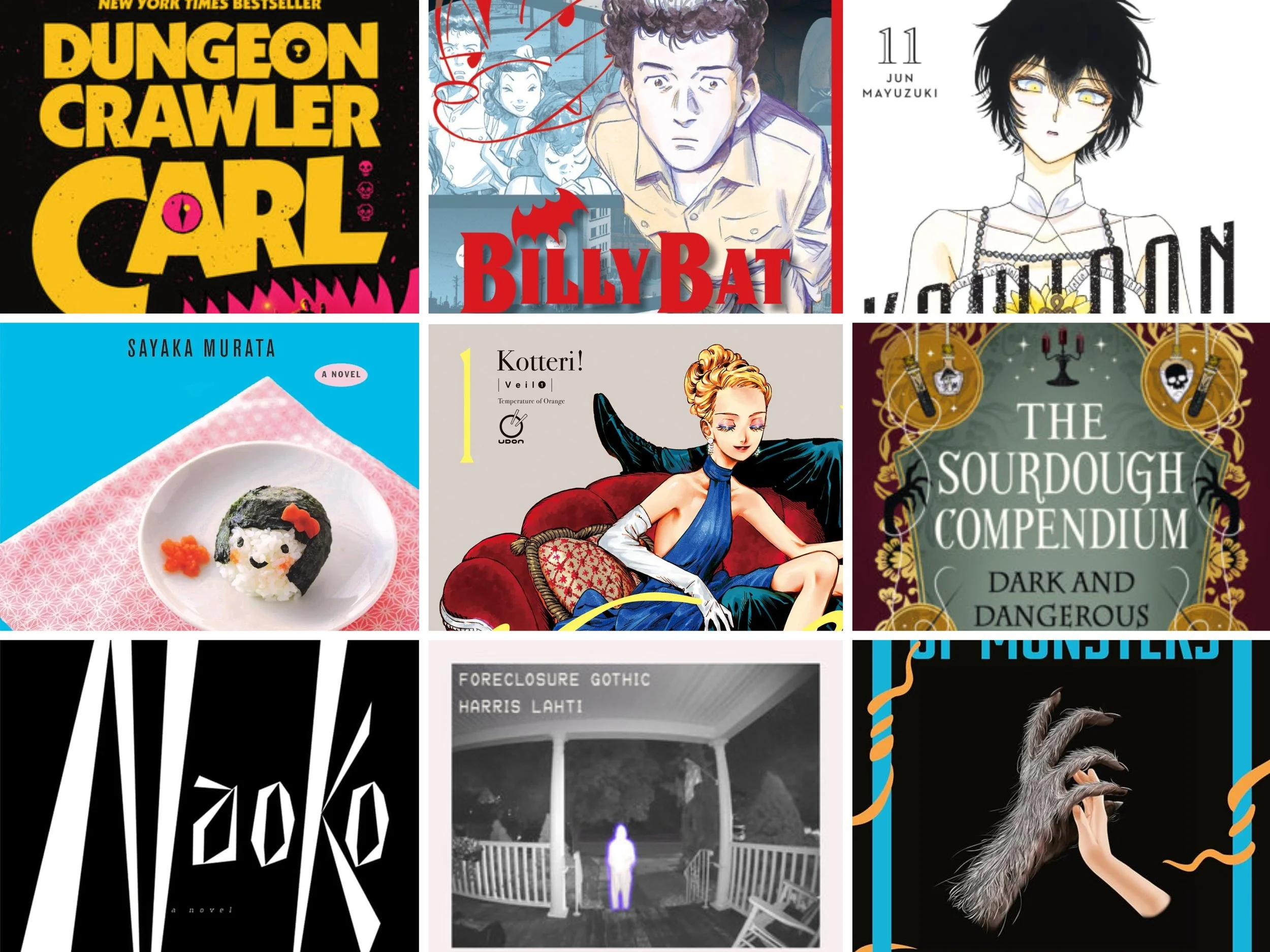
June absolutely blew by for me. Seriously, where did this month go? Everything has been a blur, working as always, staying busy every weekend, and yet somehow finding a little time here and there for leisure. I didn’t really mean to do this, but I feel like this was a very Asia-heavy month for me, between all the manga I picked up, and the two novels by Japanese authors I read. A lot of what I read this month were books recommended to me or leant to me by friends and coworkers, so I felt like I got a really good sampling of things this month!
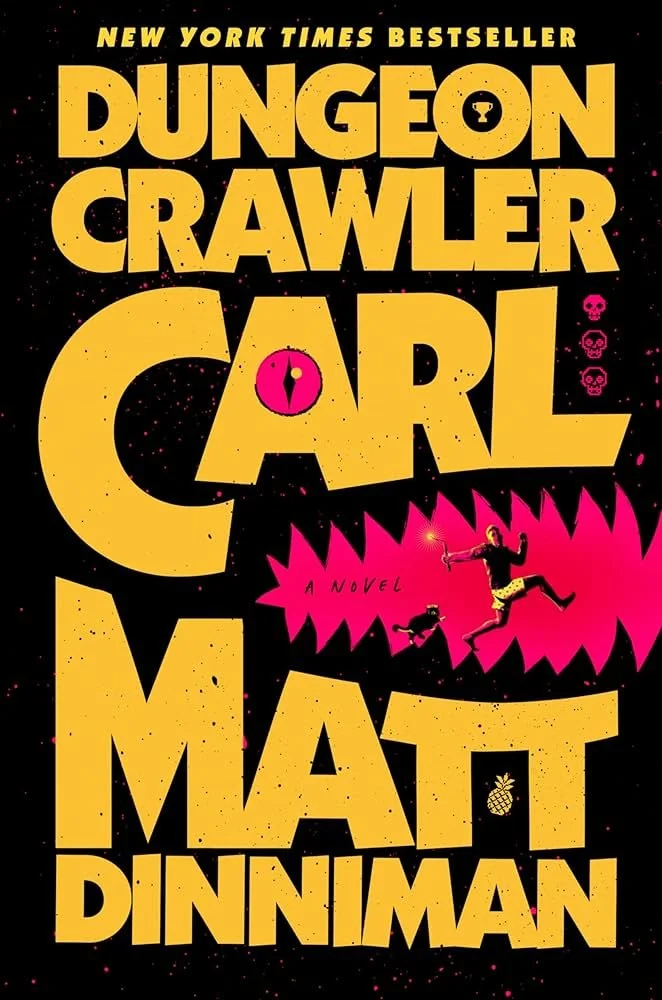
THE DUNGEON CRAWLER CARL SERIES
DUNGEON CRAWLER CARL
Matt Dinniman (2020)
I had actually never heard of this series at all until very recently, and I’ve very quickly come to understand that it is SUPER popular. My boss lent me his copy of the first volume, and I know a lot of my coworkers like it as well. I’m sad to say though, this book isn’t for me.
I found the writing to be really….amateurish? The author spends SO much time explaining his particular vision for what each monster is supposed to look like, or how every fight scene is supposed to play out, but rather than getting my creative juices flowing to imagine it myself, I genuinely found my mind wandering, and had to make myself focus on what was going on.
I know a lot of people seem to take issue with the humor in this series, but that actually didn’t bother me that much. Some of the millennial-isms of the series border on cringe, but I honestly think this kind of humor can still work, if the author wields it in a skillful and maybe tongue in cheek kind of way. I do not feel like this book accomplishes that at all.
I honestly have very few positive things to say about this book if I’m completely and totally honest. I think that at best, there were some jokes here and there that played into TTRPG and video game tropes that I did enjoy, but it quickly got overplayed. This was a slog for me to get through, and I definitely found myself bored.
Dungeon Crawler Carl seems poised to be a massive phenomenon, and I’m happy for fans of the series, but I’m already burned out at the thought of the overuse of jokes and memes that will permeate pop culture in the coming years.
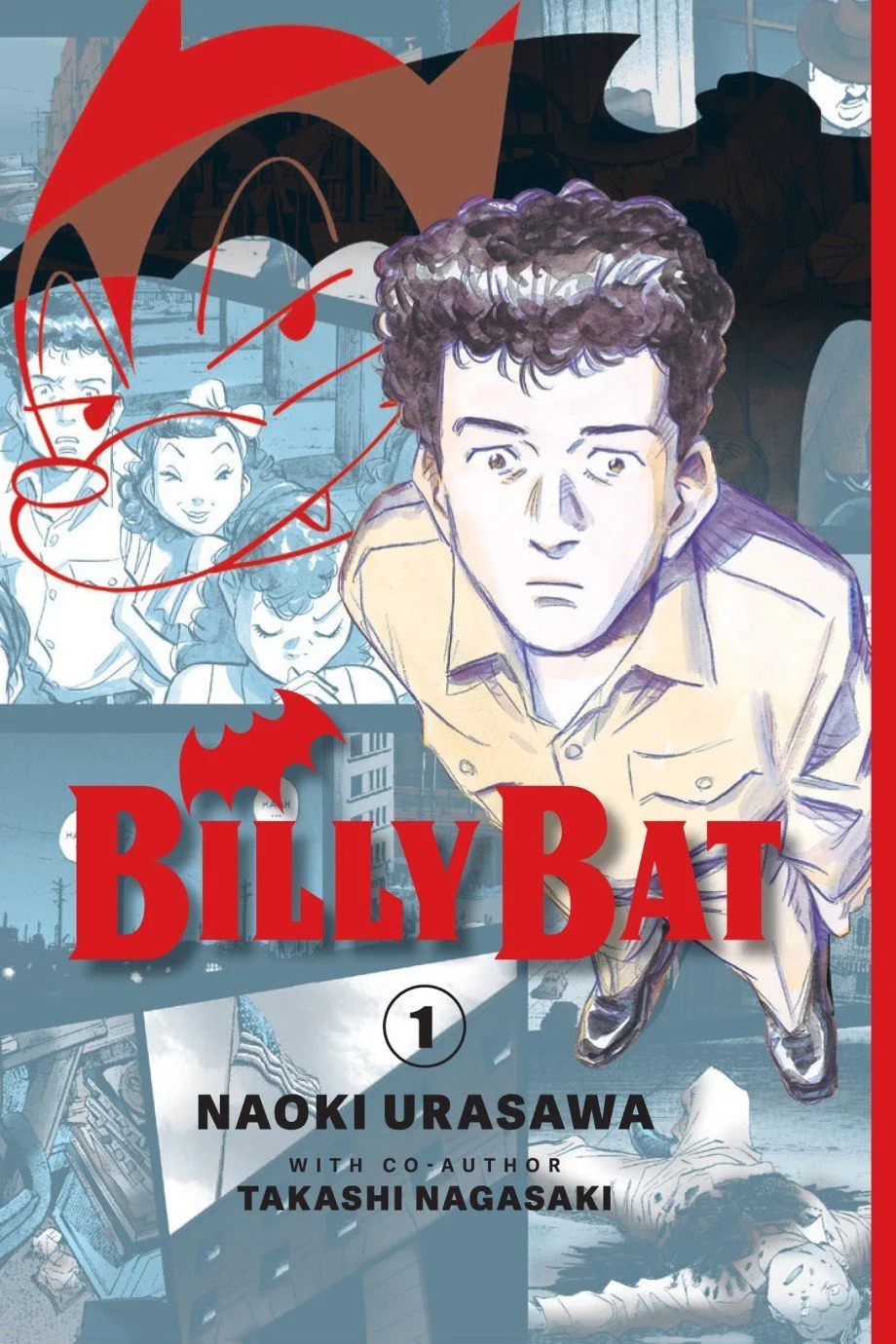
BILLY BAT VOL 1
Naoki Urasawa, Takashi Nagasaki (2008, 2026)
I am not as familiar with Naoki Urasawa’s work as I feel like I should be. I read some of Monster years ago and really enjoyed it, I just don’t remember why I never finished it — I definitely mean to someday!
Reading this first volume of Billy Bat reminded me of what a solid writer Urasawa is, and how fantastic he is at spinning a suspenseful plot.
Billy Bat follows comic artist Kevin Yamagata, a Japanese-American who served during WWII. In the post-wartime years, he’s made a name for himself as the creator of the popular comic book character Billy Bat. One day he’s shocked to learn that the character seemingly already exists in Japan. He then sets out on a quest to discover the origins and meaning of the character he believes is his original creation.
Already one volume in, the stakes are high, and I’m eager to see where this series will go next!
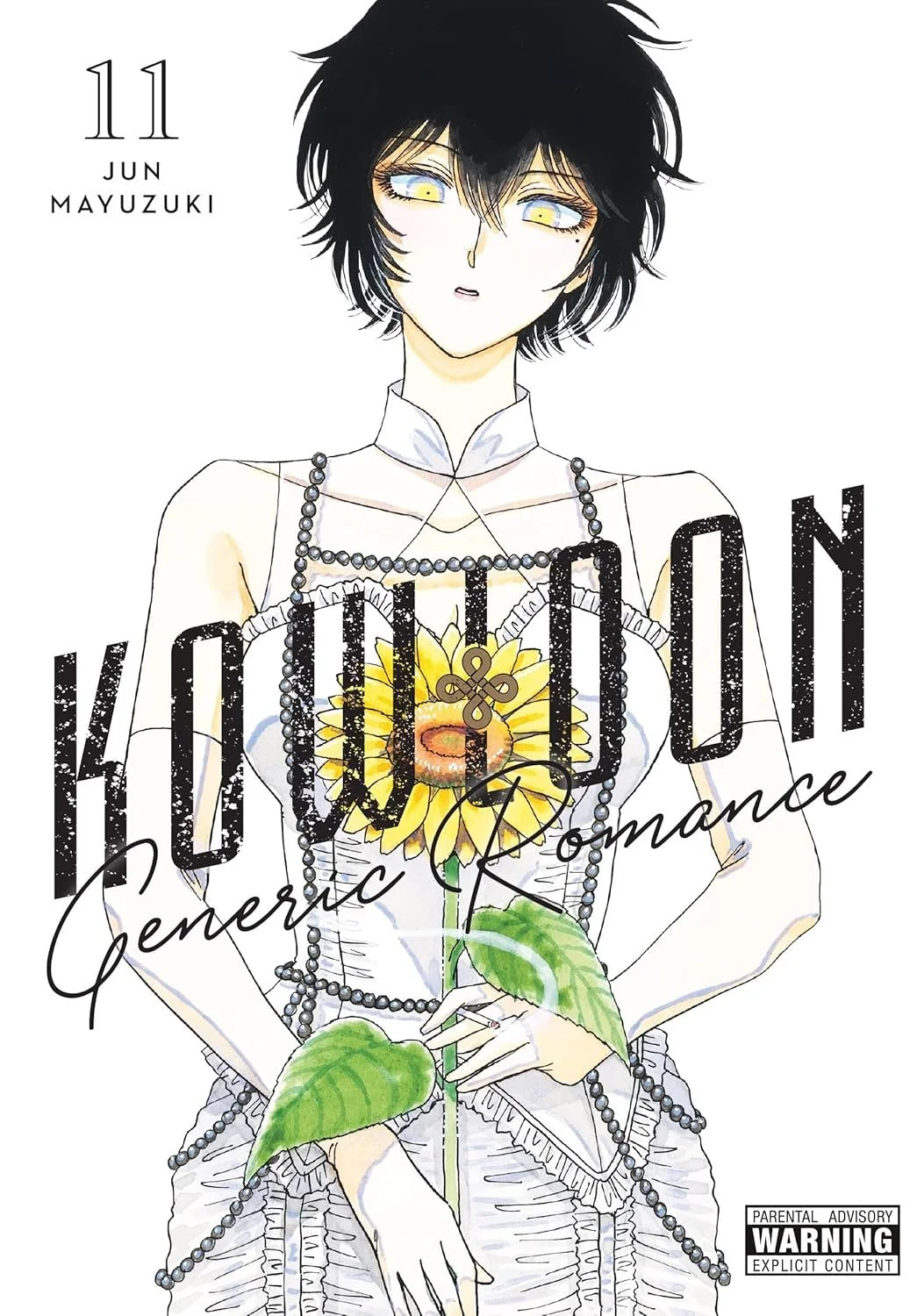
KOWLOON GENERIC ROMANCE VOL 11
Jun Mayazuki (2025, 2026)
Though this penultimate volume of Kowloon Generic Romance came out last month, it took me a little time to get around to reading it. Normally when a new volume of this series comes out, I can’t help myself and have to pick it up right away. Now, though, as the series is coming to a close, it’s very bittersweet, and while I can’t wait to see what happens next, I know every volume brings me closer to the conclusion.
I covered this series last month, and was very careful to avoid spoilers, because this series is such a treat, I think everyone should experience it blind! I will say, this volume is definitely concerned with beginning to tie up loose threads, giving us more answers about how our main characters ended up in Kowloon Walled City 2, and where they are after they leave the city, if they leave at all.
The very first chapter was a real emotional gut punch, showing us events that had previously only been alluded to offscreen; events that set in motion everything that would happen later in the series. While there are still some things left unanswered, as far as I can tell intentionally, many other things are finally being explained, and the final stakes have been set up, that will presumably be resolved in the last volume whenever it comes out.
This series continues to be an absolute standout among all the manga I’ve read in my lifetime. An absolute favorite. Now that we’re so close to the end I can only hope the final volume will stick the landing.
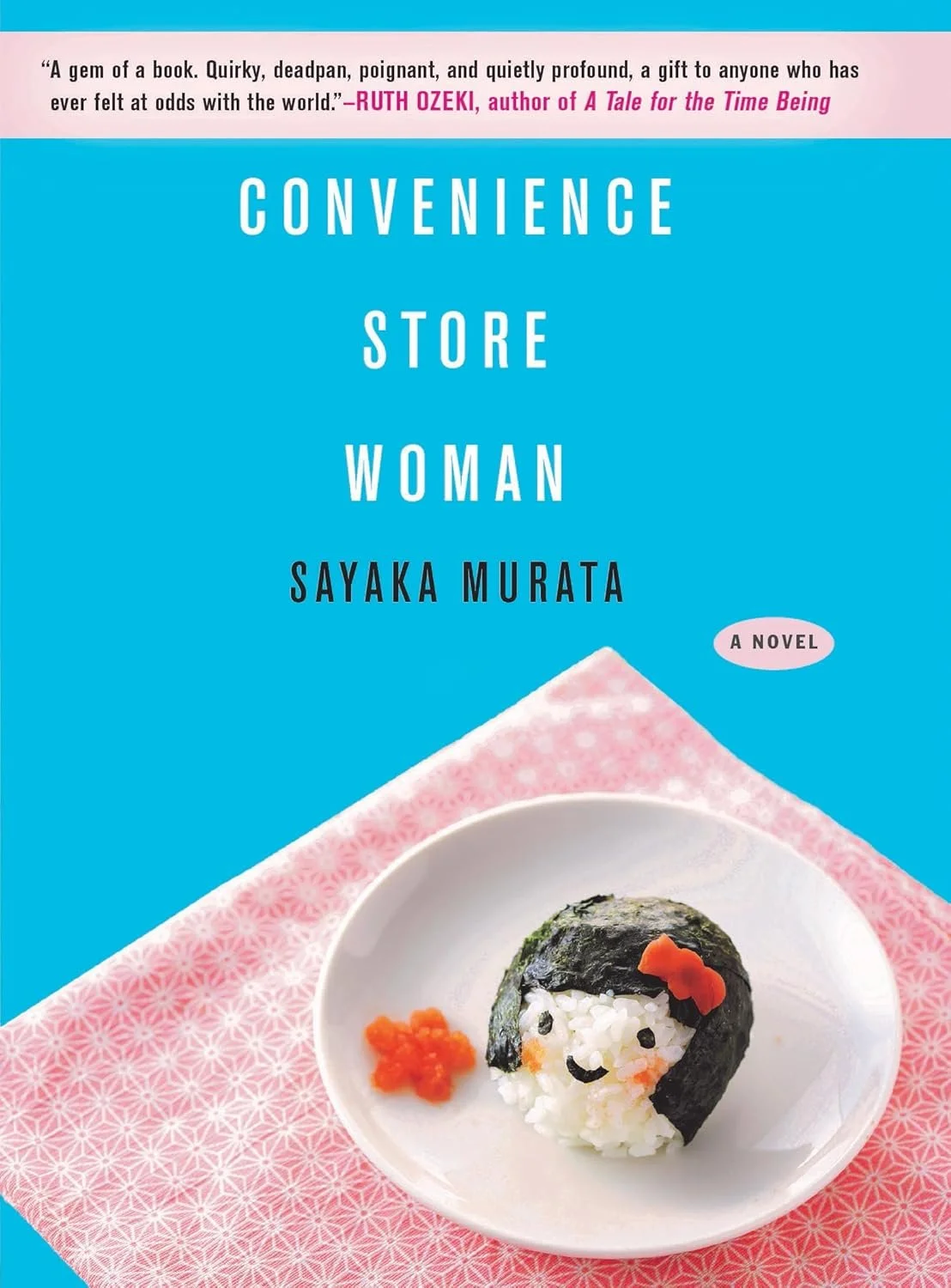
CONVENIENCE STORE WOMAN
Sayaka Murata (2016, 2018)
Convenience Store Woman is a peculiar book. It’s quite a short and quick read, written from the point of view of narrator Keiko. Keiko is an unmarried 36 year old woman, working a part time job, with no relationships. She is presented as having behaviors as a child that are viewed as concerning, but to her, are simply a matter of doing the most “sensible” thing. Social norms and graces baffle her, and she seems to be a mystery to her family as well.
Working in a convenience store is the only thing that has given her some way to feel like she understands how to exist in the world around her. She draws her knowledge how to behave from the strict guidelines of the convenience store, and her coworkers inform everything from her manner of speech to how she dresses.
Early in the novel we are introduced to fellow part time worker Shiraha, who is himself a lanky social outcast. Frankly, Shiraha reads like an incel to me, raging against women for having what he perceives as an easier life than him. Over time, Keiko realizes that at their core, both she and Shiraha are “foreign objects” to mainstream society, unfit or unable to participate. Even though she finds him unpleasant for his inability to stop portraying himself as a victim of the world and lashing out, she proposes they have a kind of “lavender marriage:” she benefits from pretending to have a boyfriend, making her seem more “normal”, and he has someone who is happy to let him mooch; in fact, more than once Keiko refers to Shiraha like he is a pet.
The thing is, Shiraha kind of sucks.
Honestly in some ways Keiko sucks too? And I feel conflicted about that - it is very clear to me that this is a book about going against the grain in a conformist society, and especially the gender roles present in such a society. And Keiko is certainly meant to be a kind of hero, committing to live her own life on her own terms despite the constant condescension of her friends and family. But something about her deadpan delivery rubs me the wrong way. She occasionally strikes me as someone who could possibly be on the autism spectrum, and other times like she has some kind of personality disorder (or both). I find her occasional violent tendencies and inability to understand what’s wrong with them a little frightening.
I think that is, in fact, perhaps why I feel so conflicted: I struggle to reconcile my own interpretation of the book with the way it was marketed and the blurbs on the cover, as something of a comedy. Does that make me as bad as the rest of society: unable to think outside the box, or understand anything other than what is considered normal or average? As someone who’s always felt themselves to be a “weird girl”, am I uncomfortable that I might be more aligned with the “normal” here? Or does it even matter, because my American society is different from that of Japan, even though we share some similar class and gender structures?
I did enjoy this book, and I would recommend it. It has definitely left me with a lot to think about.
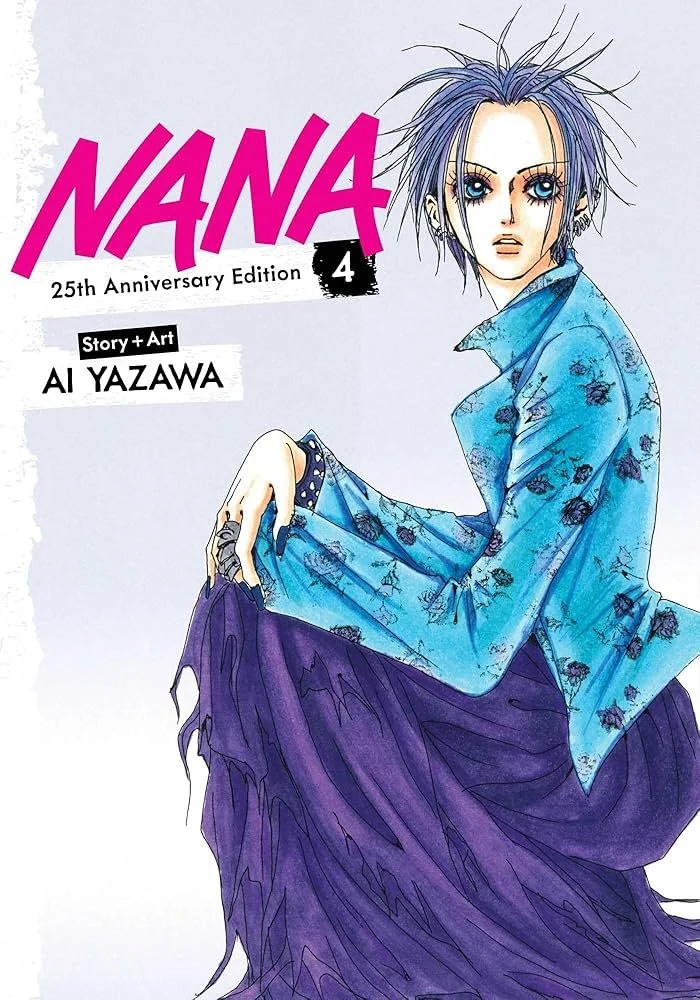
NANA 25TH ANNIVERSARY EDITION VOL 4
Ai Yazawa (2003, 2026)
Alright, Nana fans. Shit’s really hitting the fan now. These are some of the most pivotal chapters of the story, that will frame so much of what’s yet to come.
You want the spoilers? Okay here you go: Hachi tries to end it with Takumi, so she can follow her heart and date Nobu! They confess their feelings to each other, and Nobu is especially gentle and patient! But uh-oh…Hachi is pregnant, and it’s almost certainly Takumi’s baby!
Meanwhile in Blast-world, after some successful small shows, the Black Stones are offered a temporary contract with a major record label, and they have to decide whether to take the offer, or try to make their way on a smaller indie label first and build up a fanbase! And Nana O. tries to untangle her complicated feelings for Hachi.
The stakes and emotions only get more intense from here folks!
On a more reflective note, this really put in perspective for me where I stopped reading Nana back when I was kid. I originally read Nana as it was serialized in the Viz magazine Shojo Beat, where (if my math and memory are correct) it finished up with chapter 26, which is when we get the Hachi pregnancy reveal. Which would make sense from a marketing standpoint (What a cliff hanger!!! Buy the volumes to see what happens next!!!) but I SWEAR I don’t remember reading that chapter in the magazine. I would have to go back to my parents’ house and see. Not that it matters, just for my own curiosity at this point!!
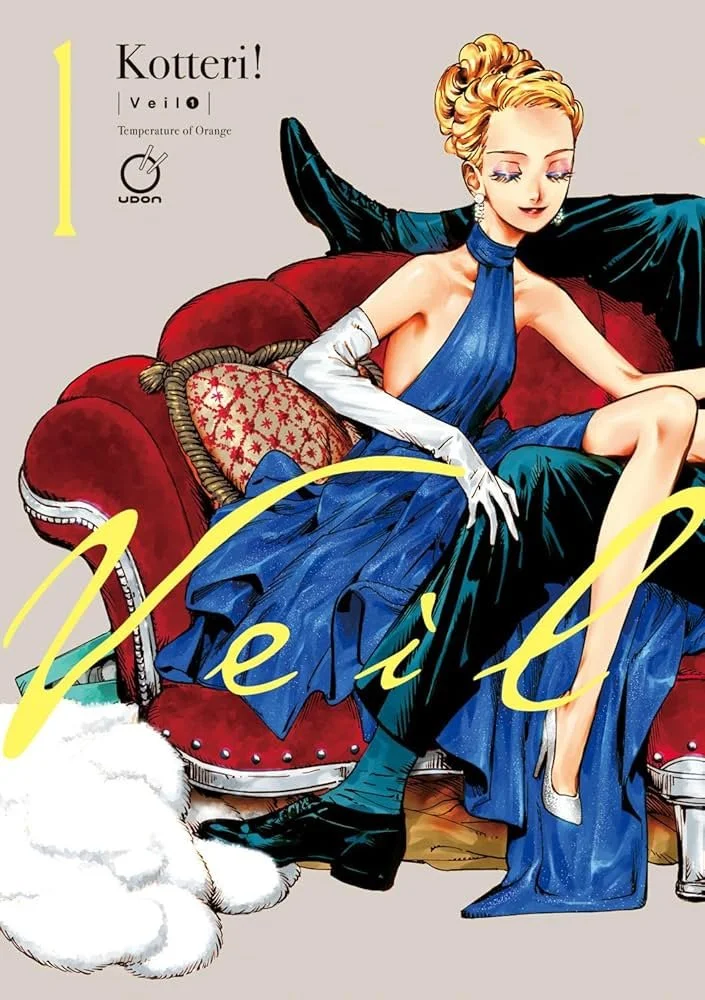
VEIL VOL 1: TEMPERATURE OF ORANGE
Kotteri! (2019, 2026)
Veil is a curious series; it’s a full-color manga that seems to live in the very definition of “slice of life” — what’s presented in this book isn’t even really short stories, we just see moments in the life of two people who meet by chance, and how their relationship with each other grows.
An heiress, blind since birth, pampered and protected, runs away from home. A stoic young police officer meets her on the street. She says she’s looking for work, and he tells her about an opening as a phone operator at the police department he works at.
There’s something that feels effortlessly sexy about this series, from the ‘60s Eastern European vibe, to the quiet, comfortable way the two main characters open up to each other and grow inextricable from each other’s lives.
This book is light on plot, heavy on visuals, but there’s something as intoxicating as the scent of orange blossom lingering on the breeze.
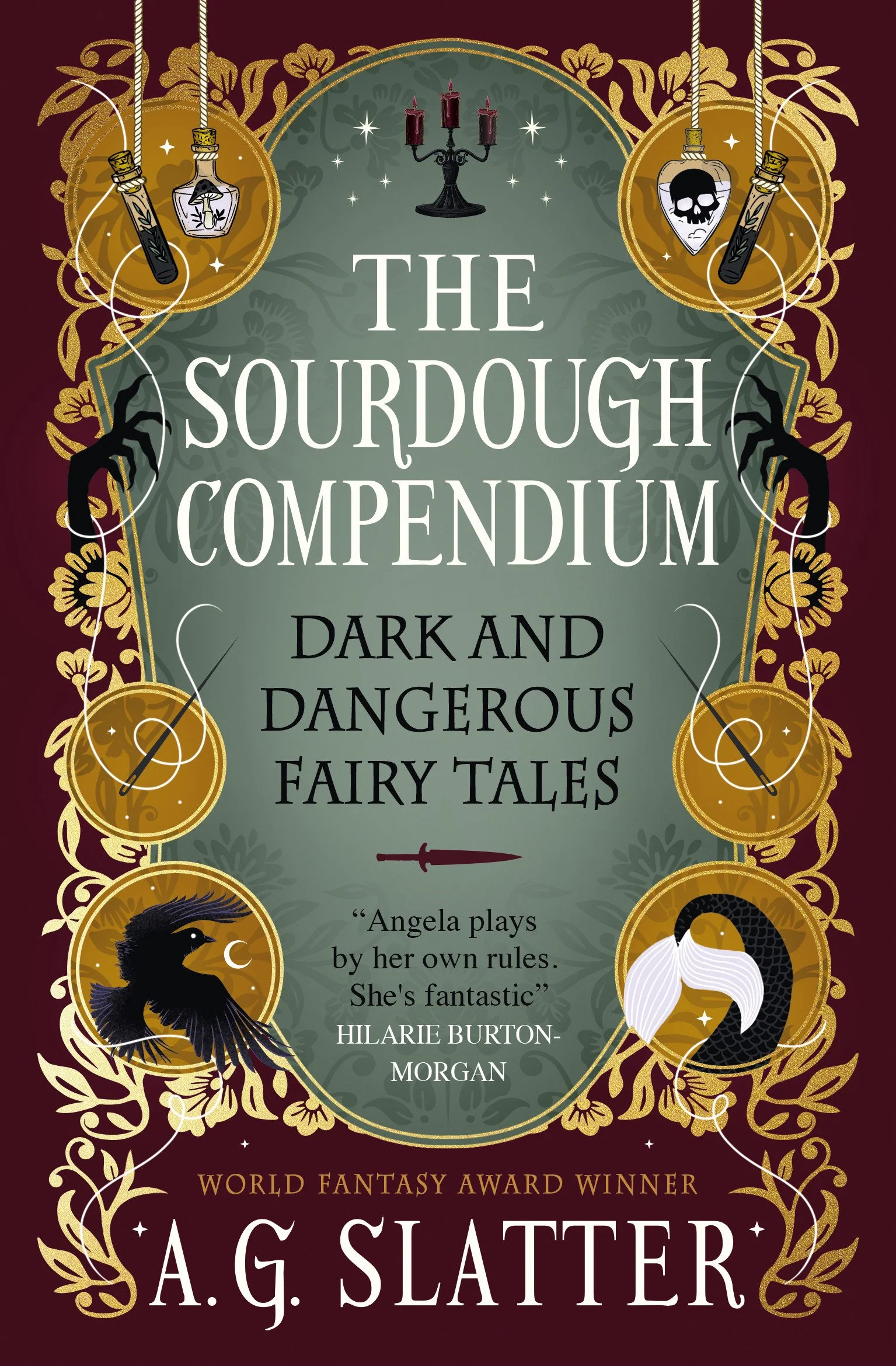
THE SOURDOUGH COMPENDIUM
A.G. Slatter (2026)
The Sourdough Compendium is a collection of three previous publications by A.G. Slatter: Sourdough and Other Stories, The Bitterwood Bible and Other Recountings, and The Tallow-Wife and Other Tales. I actually previously read the first two of these books for the first time just a short time ago, and they left such a positive impression on me, I almost immediately wanted to read them again as soon as I had finished, a trait in common of many of my favorite books. As you can see, somehow I made it a whole TWO MONTHS before I dived back into this bewitching, magical world.
While I have recently read Sourdough and Bitterwood (see this blog post for my thoughts on those) this was my first time reading Tallow Wife; I was unable to find a physical copy at the library, or even a digital copy, which is how I initially read the other two. While Sourdough and Bitterwood read like short story collections with common threads pulling them together from many directions, Tallow Wife feels like a short story collection that formed AROUND a novella. The opening short story, The Promise of Saints feels the most like a solitary entry (even though it does have its part to play later in the book), and for that reason, it might have been my favorite entry to this third volume. The rest of the short stories closely follow the fate of the Parsifal family, and the character of Ella, who appears in both Sourdough and Bitterwood.
I think BECAUSE it’s closer to a single narrative, The Tallow-Wife is in my mind the weakest of the three, as short story collections, but Slatter is still insanely gifted at creating fascinating narratives, multifaceted characters, and capturing a sense of magic that leaves me breathless.
NAOKO
Keigo Higashino (1998, 2004)
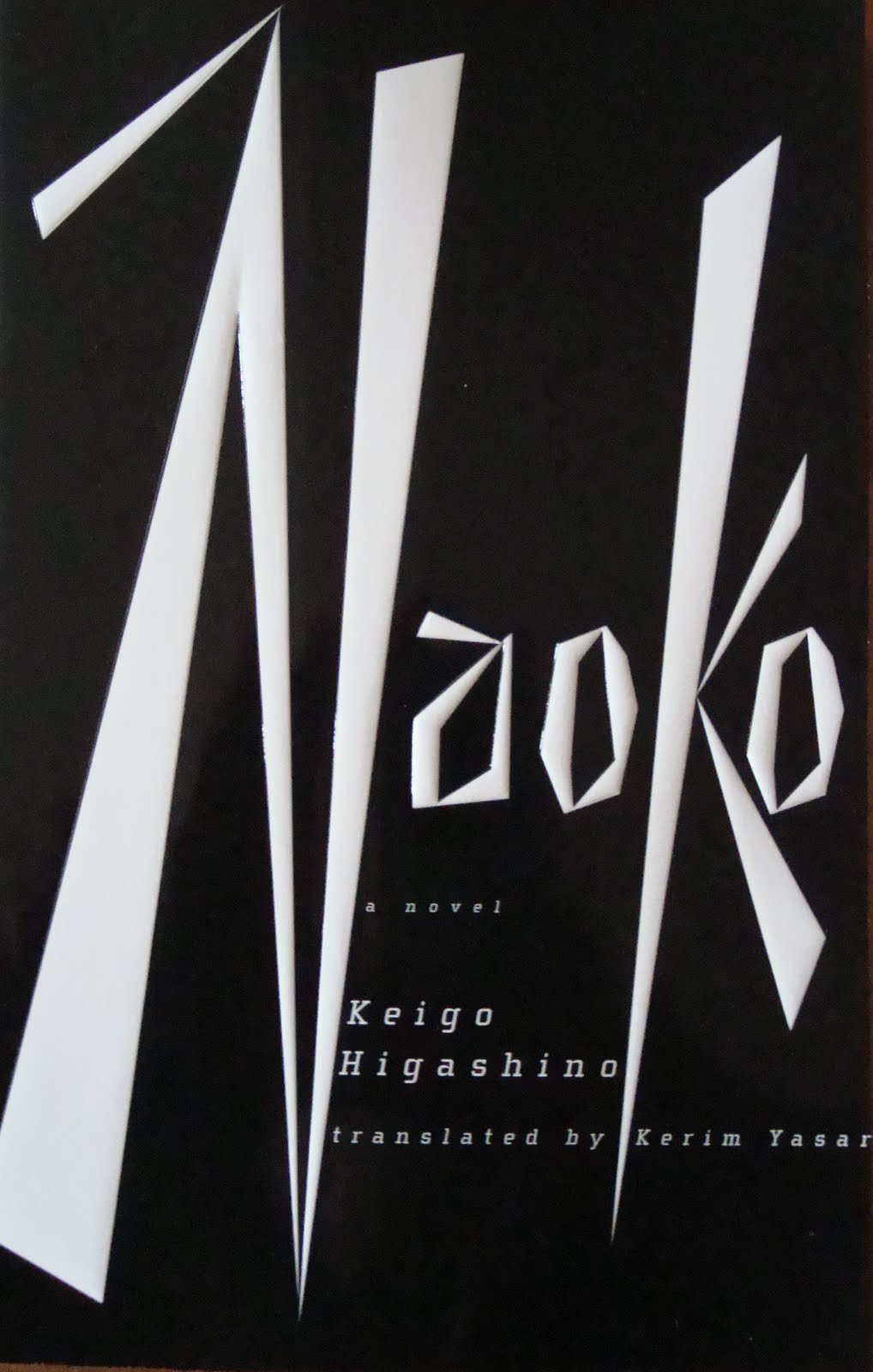
I’ve been aware of Naoko for a long time, since I was in my teens and first started getting interested in Asian horror, and darker books by Asian authors. However, compared to the works of horror/crime titans like Koji Suzuki and Natsuo Kirino, the description of Naoko always sounded a little too sleepy for me, and I just never got around to it.
I think my assumption was somewhat correct, in that this was a slower, less in your face kind of horror novel, but it is a kind of horror of its own nonetheless.
After a terrible car accident, where his wife and daughter are both critically injured Heisuke Sugita is left devastated — until his daughter seems to have made a miraculous recovery. His eleven year old daughter Monami seems to have the consciousness and memories of his now-deceased wife, the titular Naoko. They agree to live together as father and daughter, keeping Naoko’s existence a secret.
Their lives become a balancing act, trying to keep from slipping up and calling each other the wrong names, or expressing knowledge of something they shouldn’t know. Perhaps most disturbingly is the specter of incest that kind of hangs over the book - particularly as daughter Monami’s body grows and changes, and like a teen girl, Naoko grows further away from her husband.
We get glimpses of Naoko’s feelings, expressing occasional resentment and regret, reflected in her determination to live life again as Monami, and “do things right this time,” freed from choices she’s made in the past, often due to patriarchal customs of the day. In that sense, I’d say this could be a good companion read to Convenience Store Woman, and I’m glad I actually read these two so close together.
There’s also a lot in here about grief, how people process it, and how it changes over time, that I think would be easy to overlook in the face of how uncomfortable the sexual tension (for lack of a better term I guess) between father and daughter/wife can be.
I’m glad I waited to read Naoko, I don’t think it would have hit as hard as a kid as it did as an adult, if I’m totally honest. Naoko is tense, sad, and the ending was definitely curious.
FORECLOSURE GOTHIC
Harris Lahti (2025)
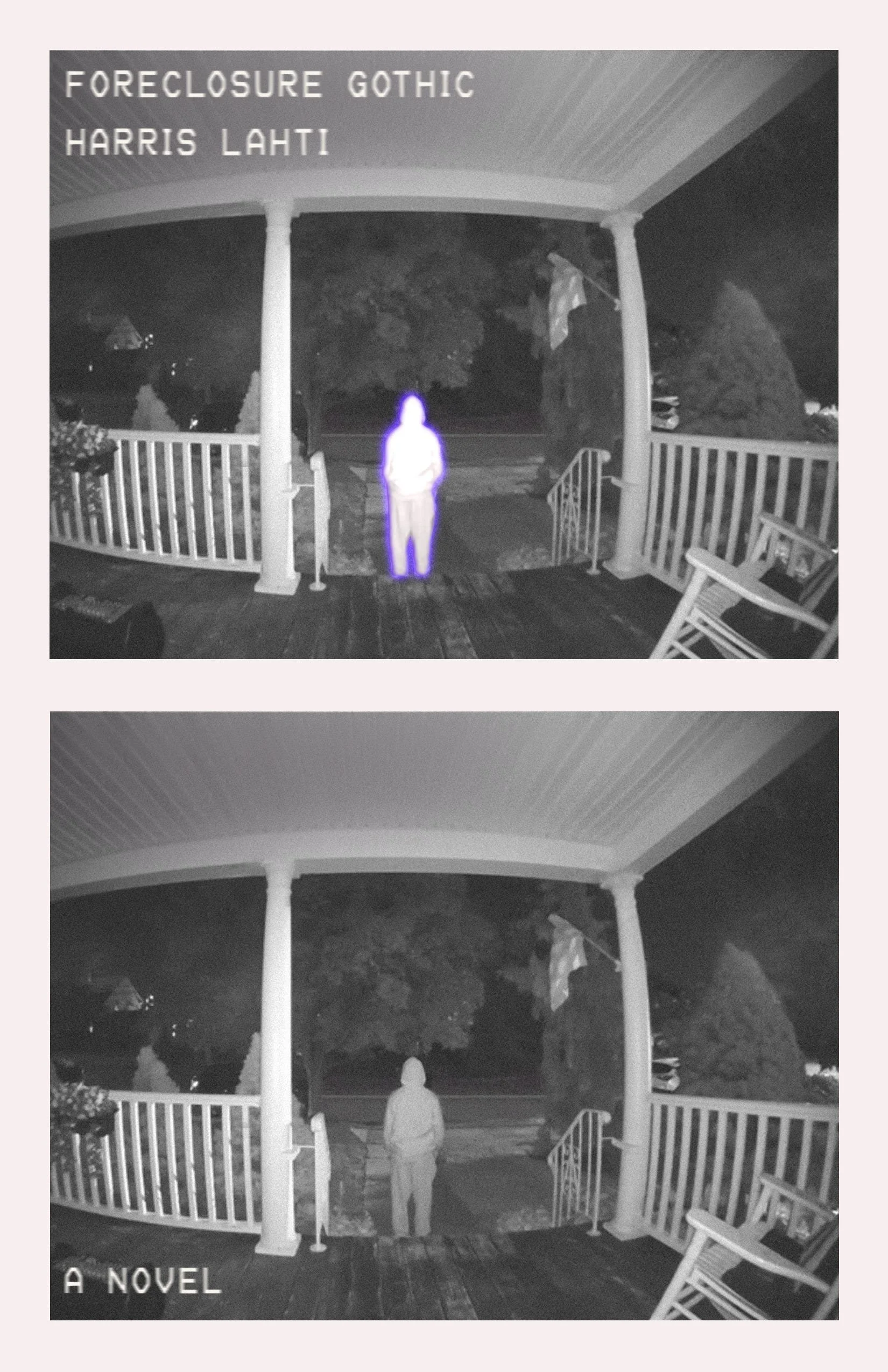
I feel like this book truly defies definition. After reading it, I looked around to see what other folks thought, as I often do with books that really make me think and feel something. I saw some places categorize it as “coming of age,” “horror,” and “contemporary fiction” and it really is kind of all of those. I don’t honestly know for sure where I’d put it myself. Maybe “romance,” “humor,” and “tragedy” would all apply too. Like, I think this is the most “A Novel” novel I think I’ve ever read
The format of the book is a series of short stories, illustrating vignettes in the life of Vic Greener and his family, starting from a young adulthood as an aspiring actor, up through the end of his life as a seasoned house-flipper. The stories are peppered throughout with unsettling incidents, ominous folks, and spooky snapshots, which I am very sad to say the digital version of the book I read did NOT include.
There is very little resolution for the little mysteries that Foreclosure Gothic sets up, building a solid sense of tension, but leaving you with more questions than answers every time. I feel like, for me, this was the greatest strength of this book. I honest to God didn’t even find this book scary, but the night before I had finished reading the book, I had an incredibly uncomfortable dream about an abandoned house; in the dream, I felt compelled by a simultaneous love and fear of said house, and a sense that something or someone else was there too, and that something or someone wished me harm. I genuinely think that the dream had something to do with reading Foreclosure Gothic before bed.
Perhaps arguably scarier than any gravestone in the basement or mysterious scream in the night is the sense of banality that floats throughout the book. Characters struggle to find their own way, chase their own dreams, but inevitably end up settling in some way. I find this uneasy mundanity to be kind of the hardest aspect of this book to put into words, although I understand it clearly on an emotional level. I feel like the best I can do is compartmentalize my thoughts and feelings into the short sentences that the book prefers to use.
Willful ignorance and delusion in the name of convenience. The wax and wane of communication in relationships. Stratification of class, and how it leads us to dehumanize one another. The unsatisfying nature of endings.
A COSMOLOGY OF MONSTERS
Shaun Hamill (
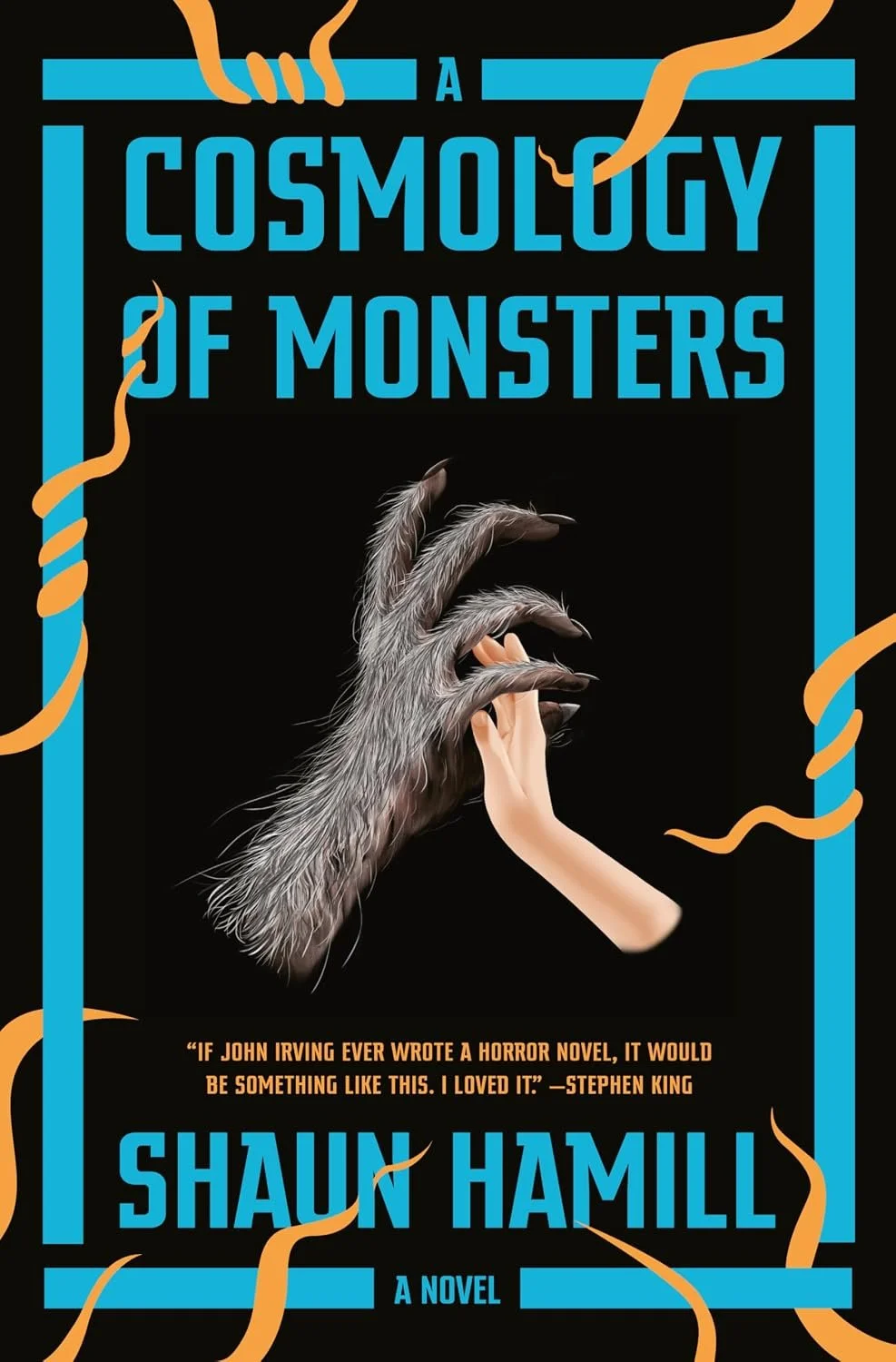
I genuinely feel like I have nothing to say about this book. I don’t know that it’s even fair to say I disliked this book actively, like I did Dungeon Crawler Carl. I think it just….. left a genuine lack of impression on me.
A Cosmology of Monsters is told from the perspective of our narrator, Noah, retelling his family’s history, and the series of encounters with a monstrous entity that seems to be stalking them.
The best parts of this book were, I think, when it was exploring the complicated inner lives of our main characters, for example, mother Margaret’s pressure from her family to marry well, and her desire to live on her own terms and get an education.
In some ways, I think this book could have been like Foreclosure Gothic, except if every time that book had an eerie moment or posed a question, they followed through on addressing it and it all led to a bafflingly ineffective conclusion.
Things start to go off the rails when - spoiler alert - we learn that the creature haunting the family used to be a woman of some kind, and while she was tasked with siphoning off the negative emotions of humans (I think??) to prepare them to be turned into more of her kind, in a Lovecraftian style eldritch city, she fell in love with him and they spend a lot of time having sex. I have seen others also say that this is the point of the story they start to get a little lost, and the book goes out of its way towards the end to accurately characterize this as Noah having been groomed by the monster (who by the way we get very little explanation about). What I haven’t seen is anyone wondering if this is incestuous in some way? I can’t recall what part of the book it was (I have since put it in a little free library in my neighborhood) but I swear they used very similar descriptive terms for the monster in her human form as they did for like, his mother when she was young? Is she meant to be literally an ancestor of Noah in some way? How does this fit in with the monster as a metaphor, if it is meant to at all? And if the monster IS supposed to be some kind of metaphor, what is it? I thought it was queerness up until the point Noah and the Monster started having sex regularly.
I dunno man. This book started quite strong for me, and then at a certain point it no longer worked for me.
The longer I write this, the more I realize that I think that I did, in fact, actively dislike it, which is probably a shame. I would love to talk to someone who loved it and have them really explain why.
—M.