
July 2026 Reads
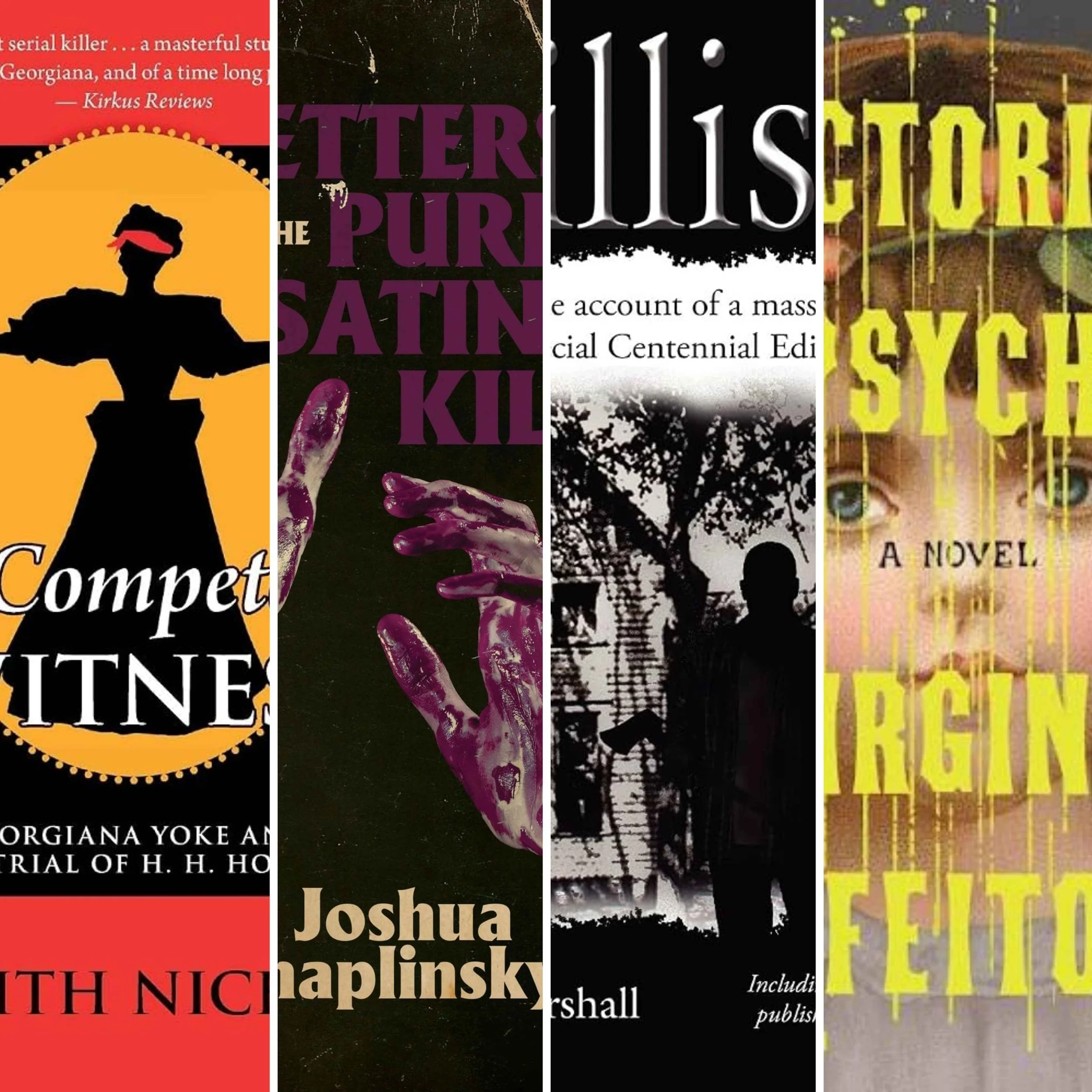
July was a dry month for me, reads-wise. I started a six-week course on cataloging this month, and also began navigating the process of looking for a new employee to hire, as my only other coworker is leaving us at the end of August for a new position. Hiring and training are always some of the most stressful things for me, because trying to find the right fit for the position is super important to me. We also had an event with DCPL in mid July, which was great, but also required a lot of planning and prep beforehand. I think all together, I ended up spending more time in gaming this past month than I did reading books or graphic novels, although honestly a good chunk of what I played were visual novels, so I still did a lot of reading — maybe I should have included those here? For now, here’s my rather brief round up of July reads!
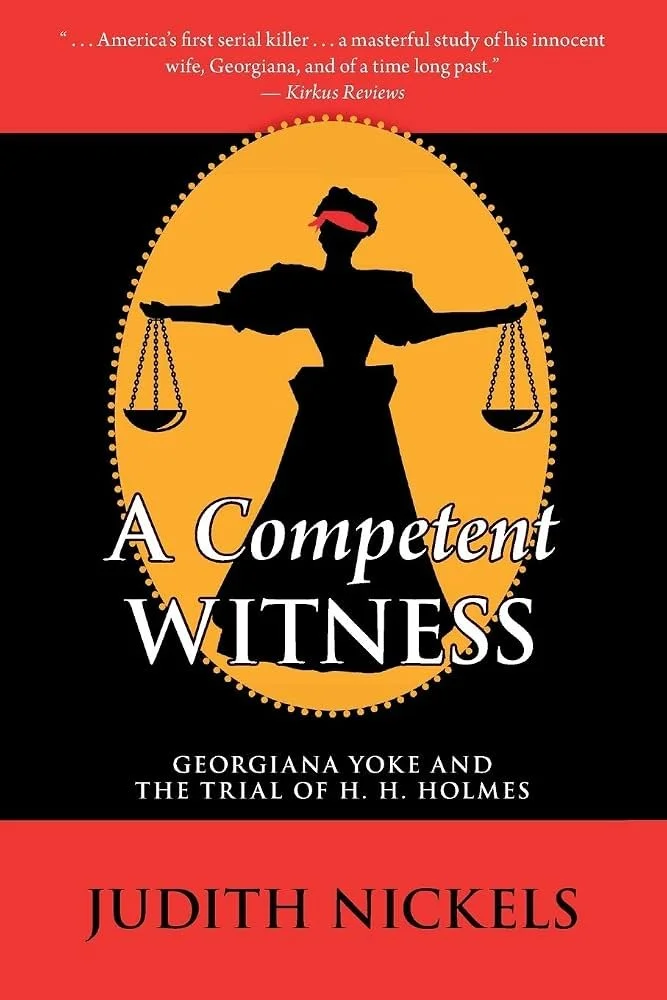
A COMPETENT WITNESS
Judith Nickels (2014)
Like many other people, I have a fascination with the 1893 Columbian Exposition and serial killer H.H. Holmes. Also like a lot of other folks, I’ve read Devil in the White City, watched the charming Expo: Magic of the White City documentary (narrated by beloved actor Gene Wilder) and listened to countless podcasts about Holmes.
When I discovered A Competent Witness I initially assumed it was a more straightforward non-fiction book about Holmes’ final wife, Georgiana Yoke, before he was caught and executed. However I was surprised to find that this was actually a carefully researched work of historical fiction, imagining Georgiana’s life, thoughts, and relationships, from the time she moved to Chicago to see the fair, to the trial following Holmes’ capture and death.
A Competent Witness would sit comfortably among other coming of age style historical fiction novels, and did a good job fleshing out Georgiana’s character, and especially addressing the eternal question when a serial killer or other brazen criminal is caught: how could the wife not know?! Competent Witness shows a woman who through her youth and naivete, as well as willingness to find the best in others, could be led astray by a man who was, by all accounts, an extraordinary charmer and unstoppable liar.
This scratched both a true crime itch I’ve been feeling for a while, as well as the World’s Fair bug I get from time to time, which has only been exacerbated by the Great American State Fair, which is taking place near me in Washington D.C., and which by all accounts looks to be a deeply embarrassing attempt to capitalize off of the spectacle and energy of the 1893 fair, but without any of the innovation, wonder, and love that went into the original.
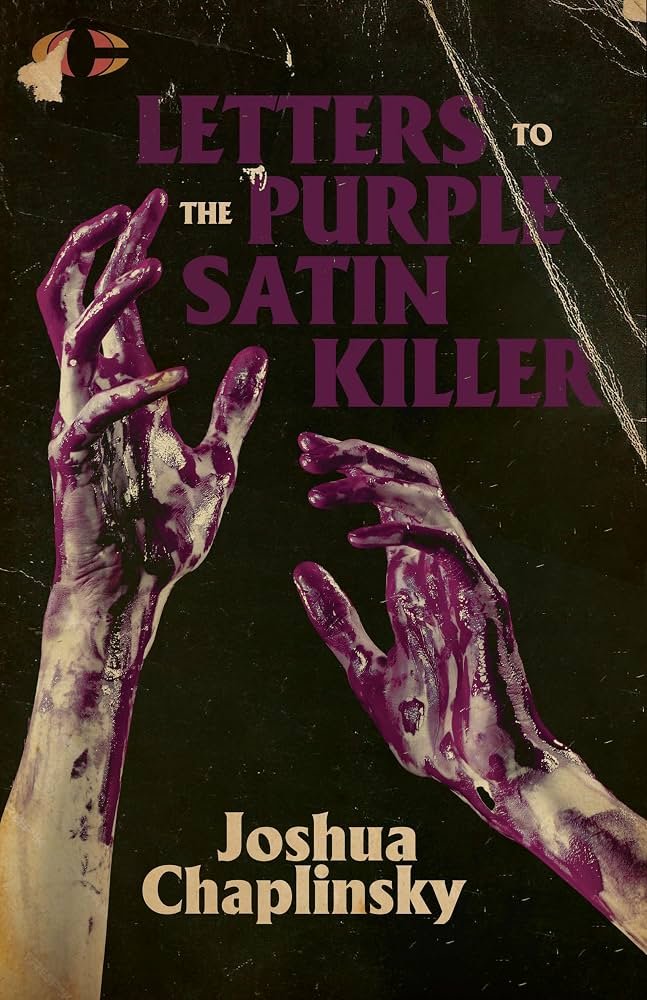
LETTERS TO THE PURPLE SATIN KILLER
Joshua Chaplinski (2024)
This book was gifted to me by a coworker, in a stack of books, and when he gave it to me, he prefaced it as “a nasty little book,” imploring me to “not judge (him.)”
Letters to the Purple Satin Killer is an epistolary novel, written as if it were completely non-fiction, meant to paint a picture of a vicious and prolific serial killer, through the eyes of those who corresponded with him after his capture.
I stress “written as if it were completely non-fiction” because certain things mentioned in this book are almost certainly at the very least inspired by real killings, although in many cases they are ratcheted up to 11.
While this book is certainly about the titular serial killer, this book also holds up a mirror at our broader culture, from how we consume true crime media, to family dynamics and perspectives on mental health.
I do feel like this book began to drag a bit towards the end, but if you’re a true crime hound like I am, it’s certainly a fascinating, sometimes wickedly funny read.
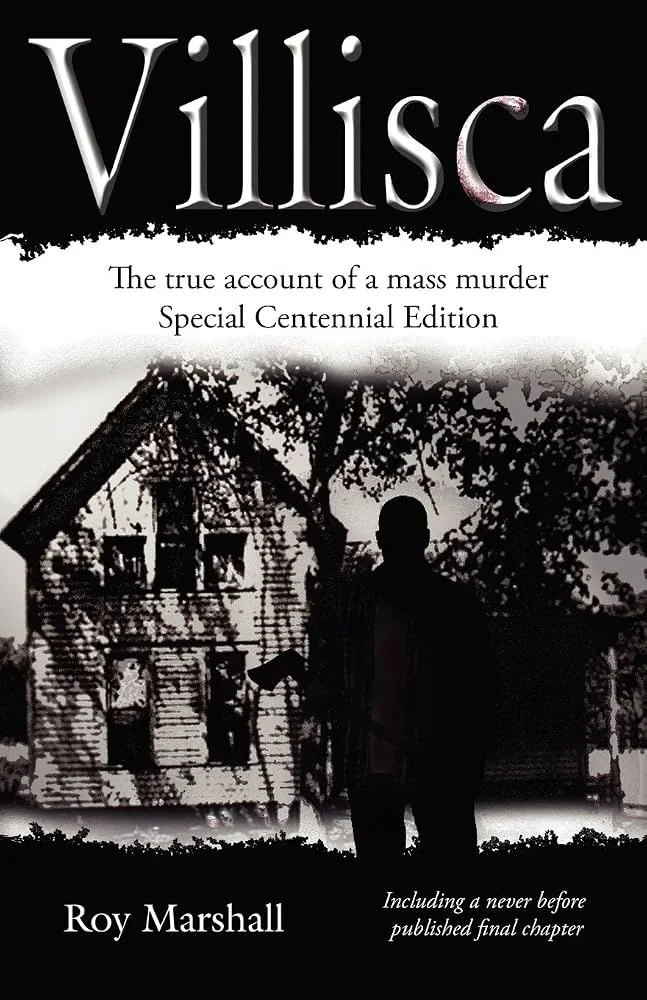
VILLISCA
Roy Marshall (2003)
MORE TRUE CRIME! Wow real theme this month, huh?
For better or worse, I’ve probably listened to half a dozen podcasts about the Villisca axe murders. I can’t recall which one of those podcasts in particular that I’m thinking of, but I’m fairly certain I added this book to my TBR list after one of them listed it as a source they used in their research.
Villisca is interesting in that it covers the aftermath of the crime itself as much as, or more than, it does the murder — mainly, the years-long scandal that was a private detective from the Burns agency (think similar to the Pinkertons) that became convinced the killing was done as a for-hire plot by a prominent local businessman and politician.
This book took me kind of a while to get through, as it digs deep into various witness statements, trial proceedings, and lots of local and state politics from the early decades of the 20th century, but ultimately I feel like the book really did give me a thorough understanding of the ins and outs of the case — specifically the saga of Burns agent Wilkerson vs his suspect of choice, Senator F.F. Jones, and all the lengths he went to to try and prove his point. Villisca is really good at keeping the text from getting too dry and bogged down in technical details by interjecting little almost like….slice of life details throughout, especially at chapter beginnings, which I really enjoyed.
The most interesting part of all, however, was the broader picture — how residents of the town, in their fear and grief, were whipped up into a frenzy, not unlike the kind of witch hunts we have seen over and over again throughout human history. It’s so interesting to see that we never really change; we’re not so different or so much better or smarter than people over a hundred years ago, really, no matter what we’d like to think.
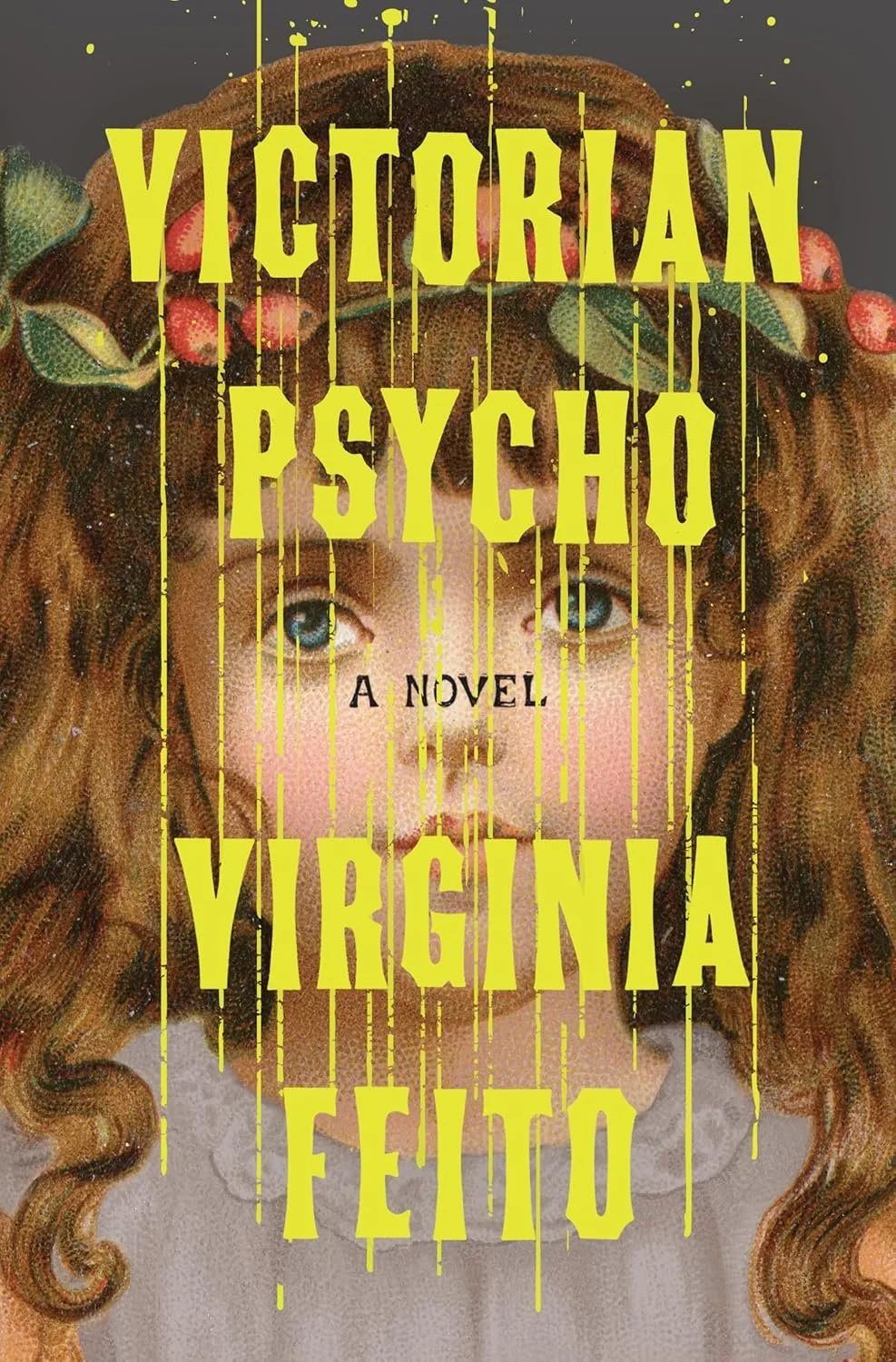
VICTORIAN PSYCHO
Virginia Feito (2025)
This was actually a re-read of this book for me. I picked it up in an airport bookstore not long after release, and I remember being not particularly impressed with it after reading. However, I was prompted to pick it up again with the upcoming release of a film adaptation. Honestly, I see this book praised often, and with a movie coming (quite shortly after publication, it seems to me!) I thought to myself, maybe I’m just missing something.
I did enjoy the book more this second time around, and mainly because I think I knew what to expect more — I grabbed this book initially for its flashy cover (I DO love the cover if I’m honest) and expected a pretty straightforward historical horror. However, much like American Psycho which I am sure it is trying to invoke, this is meant to be more of a commentary on the period it is set. Taking the dark comedy nature of the book into account, I could meet it at that point and enjoy it more, even when I think some of the places where I suspect the book thinks itself quite clever, I found a bit clumsy.
Ultimately, this book is a VERY short read, and I don’t feel bad I re-read it or anything, I’m just left with more of the same feeling I had after I finished it the first time — that’s it? I do plan to see the film adaptation because I like the lead actress, Maika Monroe, but even the trailers seem as tonally confused to me as my first reading of this book.
Victorian Psycho is just a big meh for me. Nothing groundbreaking or spectacular, it’s fine, still very surprised it’s getting a movie because I really didn’t find it compelling enough to justify that, but I’m not a Hollywood executive, so what do I know?
—M.